Know before you spend, price, hire, or build.
Most business decisions start with a question you already know you should be asking. Who am I actually up against? Why did that regular stop coming in? The answers usually exist. They're just scattered across reviews, competitor websites, your own sales numbers, and conversations you haven't had yet.
Each workshop in this series takes one of those questions and works through it with you, start to finish, so you leave with an answer or a clear way to get one.
One question in. A way to answer it out.
Each workshop starts with one question and ends with a way to answer it. In between, we walk you through a research process, the same kind of playbook research teams use on large projects, scaled down to fit a business owner's week.
We'll also show you how to use AI like a sharp research assistant instead of a yes man. That means asking in ways that don't steer it toward the answer you're hoping for, noticing when it fills gaps with made-up information, and checking its work before you act on it.
Example: a neighborhood bakery owner asking about competitors.
Who are my competitors? I own a bakery.
Great question! Your main competitors are likely grocery store bakeries, chain coffee shops, and other local bakeries in your area. Bakeries in your market typically see 15–20% growth by focusing on custom cakes.
Generic, and a confident statistic with no source behind it.
I run a bakery selling custom cakes and morning pastries. Two new shops opened within half a mile this year. List direct and indirect competitors within one mile. For each, cite where you found it. If you can't verify something, say "unknown" instead of guessing.
Direct: [Shop A], custom cakes, opened this spring (source: Google Maps listing). Indirect: [Café B], pastries with coffee (source: menu on their site). Pricing: unknown, not published. Check in person or by phone.
Specific to your business, every claim checkable, gaps admitted.
Small enough to ask about your business
Every session is 60 minutes and virtual. Seats are capped at 20, so there's room for your questions and not just ours.
You work on a real problem from your own business, not a hypothetical one. If nothing comes to mind, we'll have a sample problem ready for you.
A few days ahead, a handful of questions to think through and a prompt to pick the business problem you want to work on. A little time up front means you can follow along in real time.
A framework that shows how anyone, from a solo owner to a large company, tackles the question. Plus the step-by-step process, the prompts we use, and the tips that keep AI honest.
Every workshop is recorded, and the recording and materials are yours for life. We re-run workshops as AI tools change, and your copy updates too, so what you learn in November still holds up next spring.
Four questions to start
Dates and times are being set now. Sign up and we'll send them to you first.
Map your direct and indirect competitors, see what they do and how they do it, and find out where customers think you sit compared to where you think you sit.
Find out how competitors reach customers before those customers find you, and which channels you're missing.
Work out whether they're buying somewhere else, have stopped buying, or left unhappy, and what to do about each.
What you're paying for, what's normal, and how to brief and check the work so you're never stranded.
What should I charge? · Is my website costing me customers? · What do my customers actually want from me? · Should I add this service or drop that one? · How do I know if a marketing idea is worth the money? · What is changing in my market?
Two ways to join
$99
Drop in, per workshop
Pick the questions that matter to you right now. Each one includes the live session, the pre-work, the playbook, and lifetime access to that workshop's recording and updates.
$450
Full series, founding member, first year
Every workshop we run over twelve months, live, plus the full archive and every update.
Founding pricing is available until [date]. After that, the full series is $600 a year.
Comfortable with AI. Not sure how far to trust it.
You run the business, you make the calls, and you've already asked ChatGPT, Claude, or Gemini a question or two. No research background needed. You'll leave knowing how to get answers you can act on.
You find your own clients or own a book of business inside a bigger organization. The questions are the same. Only the amount of data and the number of people at the table change.
Whether a business has one owner or a room full of stakeholders, the method doesn't change.
Researchers who run rooms for a living
The same team that runs discovery workshops for enterprise clients through Agency UX, now running them for you.

Kevin has spent more than eleven years facilitating discovery workshops, helping teams from startups to national brands agree on what they actually need. With 30+ years on innovation teams, he keeps every session moving toward an answer you can use.
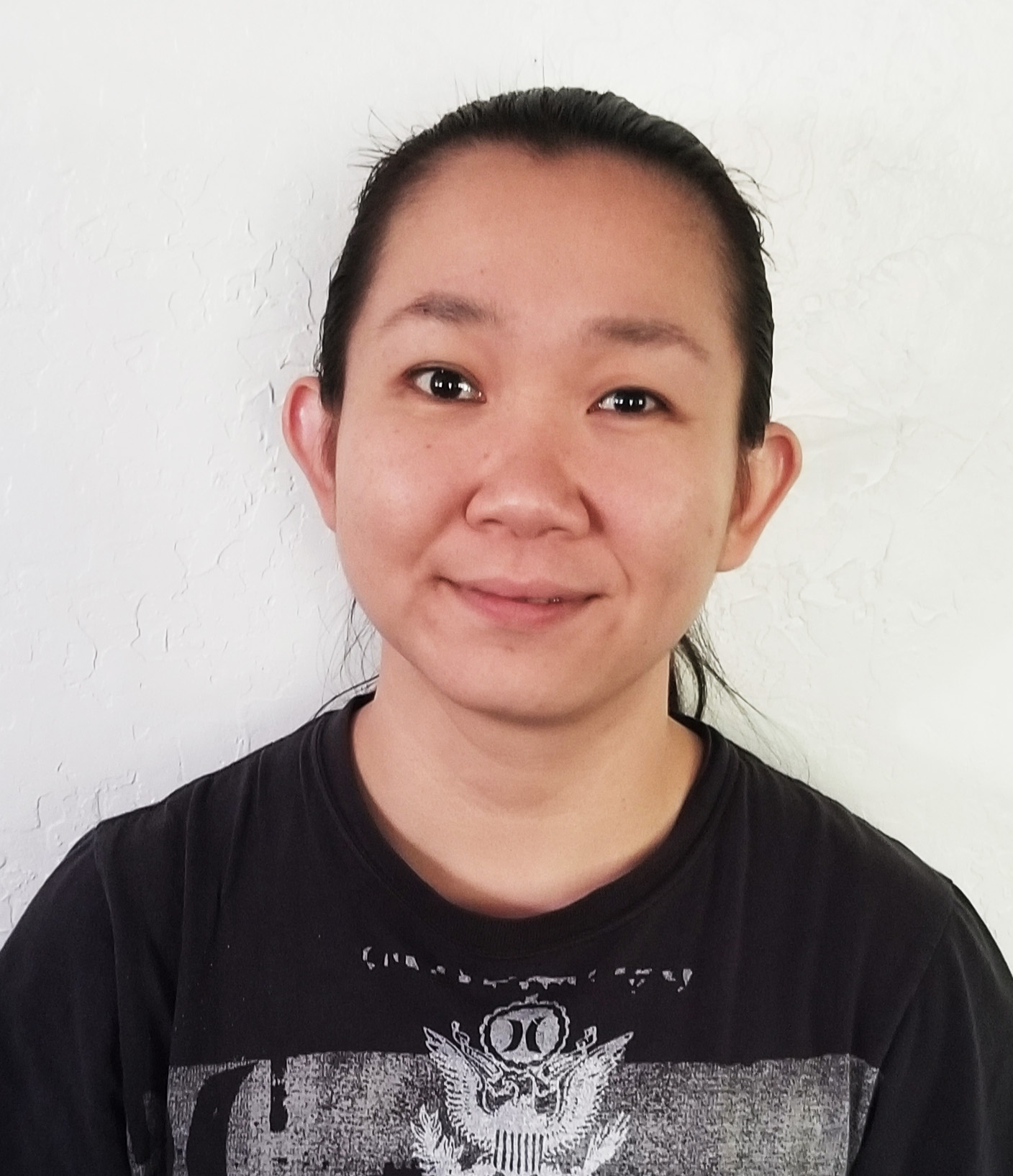
With an academic background in sociology and information science, Nhi is a veteran researcher who brings human insights to light. She built the method behind this series and teaches it the way she practices it: start with a clear question, follow the evidence, and don't stop at the first answer that sounds right.

Pallas brings 6+ years of research into the behavioral impact of technology, including why people trust tools like AI more than they should. In sessions, she helps you connect what the data says to what to do next, and coaches you through writing prompts that hold up.

A UX researcher and PhD candidate, Jacob studies how media and technology reshape everyday experience, including what AI does to the people using it. During hands-on time, he works alongside attendees to sharpen their problem statements and spot where an AI answer needs a second look.
Not ready to join yet?
Tell us where to reach you, and we'll let you know when new workshops open. You can also tell us which question you'd want us to tackle next.